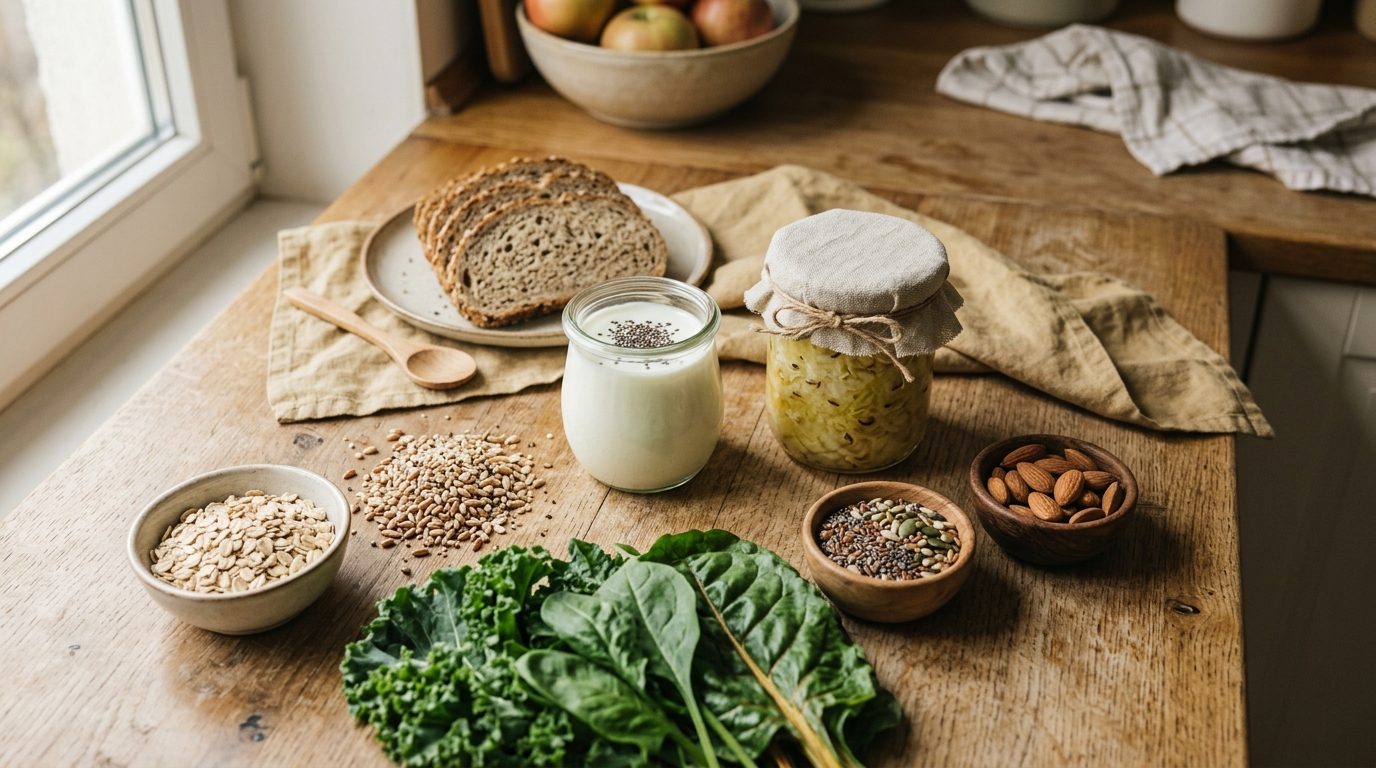
Foods that never used to bother me started leaving me bloated and uncomfortable, and I hadn't changed my diet at all. For a while I assumed I'd developed some sort of sensitivity out of nowhere, until I learned that my gut hadn't actually changed. The conditions it was working in had.
Oestrogen has a well-established influence on gut bacteria diversity and on how quickly food moves through your digestive system. As oestrogen levels fluctuate through perimenopause, that can shift digestion and comfort even when nothing about your actual diet has changed, which is why familiar foods can suddenly feel different in your body.
It's not that your gut has become difficult to please. It's adjusting to a different hormonal environment than the one it was used to.
The most useful response usually isn't cutting out food after food to chase the culprit. It's keeping meals simple and consistent, enough fibre, enough fluids, regular timing, and giving your gut a stable rhythm to work with. That's the approach we build on in The Hormone Reset Code.
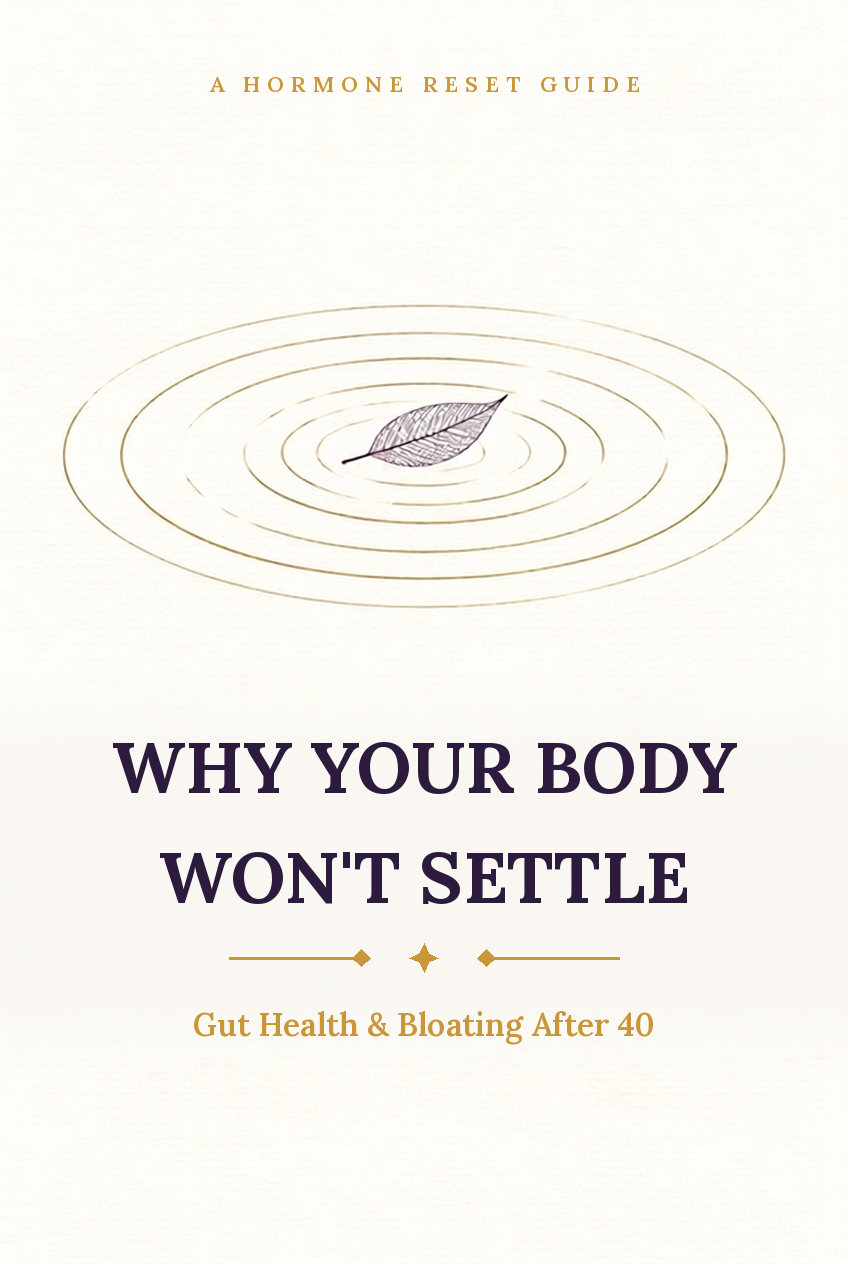
Why Your Body Won't Settle - the mechanisms, a four-week plan, and simple ways to ease bloating. $5.
View the guide →